What the night was about
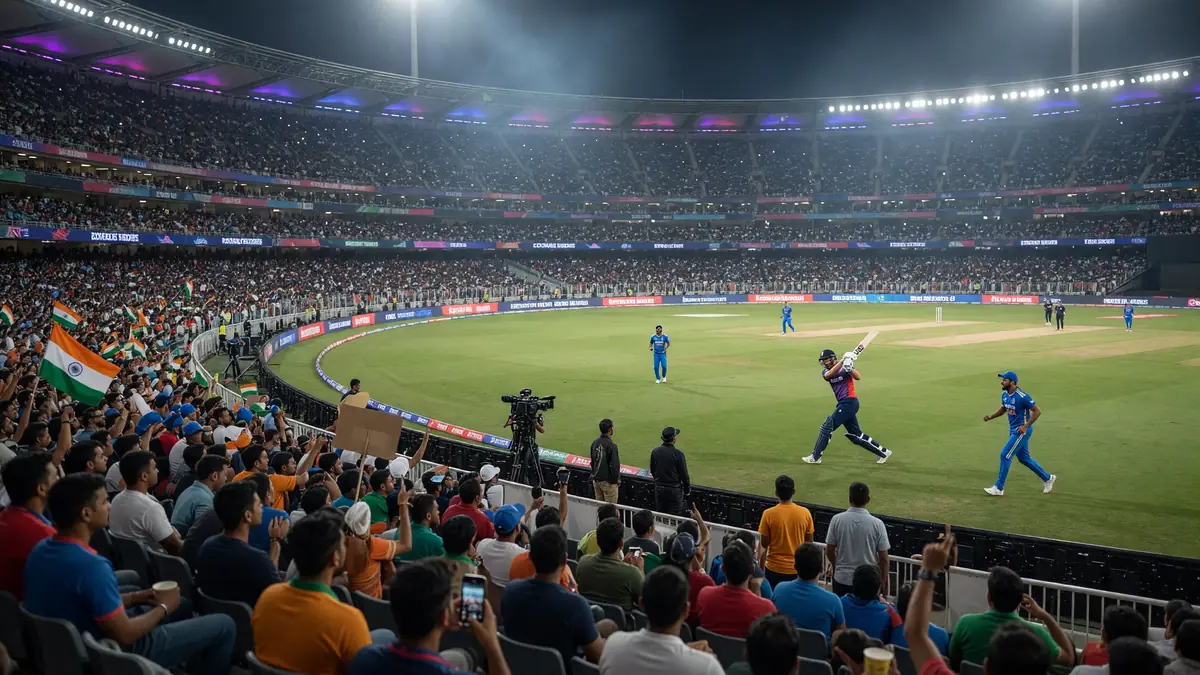
England hosted India in the fourth T20I of the India Tour of England 2026 on 9 July 2026 at the County Ground, Bristol, with first ball listed for 10:00 PM IST. The five-match series had already tilted hard toward the home side: the opener was washed out, then England won the second and third matches to lead two matches to nil. For India, under captain Shreyas Iyer, Bristol was framed as a must-respond fixture rather than a free-hit. For England, under Harry Brook, it was a chance to close the series with a match still to spare.
Live coverage that night was listed on JioHotstar for streaming and on Sony Sports Network for television. The broader Live Match Desk archive of match-night notes sits with our Live Desk coverage, where toss reports, XI watches and in-game fantasy implications are kept together for readers who follow bilateral series as they unfold.
This write-up is a dated retrospective. It does not pretend the fixture is still upcoming. It rebuilds the factual board as it stood before that Bristol evening — odds, series arithmetic, the Nottingham result that still hung over both dressing rooms, and the venue traits that pushed fantasy teams toward pace and top-order ceiling.
How the series reached 2-0
The series table before Bristol was short and lopsided. Match one produced no result in the rain. England then won the second T20I and followed it with a third-match statement in Nottingham: India were bowled out for 76 and lost by 125 runs, a margin described in contemporary reporting as India’s heaviest T20I defeat. That single night compressed the series narrative. England were no longer merely ahead; they were dictating the terms with the new ball and finding enough batting depth to post and defend large totals.
Phil Salt’s 70 in that previous completed match sat at the centre of England’s batting confidence. On the bowling side, Jofra Archer and Josh Tongue were singled out as the standout pair, with Tongue listed as England’s leading series wicket-taker on four wickets. India’s ledger looked thinner. Abhishek Sharma still headed the series run chart with 112 runs at a strike rate above 200, and Iyer himself had crossed 100 series runs, but the middle order had not stitched the partnerships needed after Nottingham’s collapse.
That is the context fantasy managers carried into Bristol. A 2-0 lead with a washed-out opener already removed one buffer match. An England win on 9 July would seal the bilateral series. An India win would force a fifth-match decider. The fantasy board, therefore, was not a neutral form guide — it was a pressure map.
The odds board before first ball
Across the major platforms tracked in the original 9 July preview window, England were priced around 1.85 and India around 1.95. The published win probabilities sat near 58 percent for England and 42 percent for India. Toss markets were essentially even, with England and India both near 1.88 to 1.9 depending on the book. Those numbers are historical reference points from that preview window; they are not live quotes and they were always subject to late team news.
What the board was really saying is more useful than the decimals. England’s price already baked in home conditions, the series lead and the Nottingham bowling performance. India’s price still left a realistic underdog path — roughly two-in-five on the published split — because the all-time T20I head-to-head between the sides still leaned India’s way overall (18 wins to England’s 14 from 33 meetings, with one no-result in the source ledger). Recent form and home advantage simply outweighed that long-run ledger on the night.
“England 1.85, India 1.95, and a 58–42 win split: the market respected India’s ceiling, but it priced England’s series control first.”
For fantasy contests, a favourite priced that tightly is a warning against pure chalk stacking. England’s top order and quicks were still the high-floor core, yet India’s ceiling names — especially Abhishek at the top and Iyer as captain-anchor — retained differential value precisely because the market had not written them off entirely after one collapse.
Bristol’s pitch and weather facts
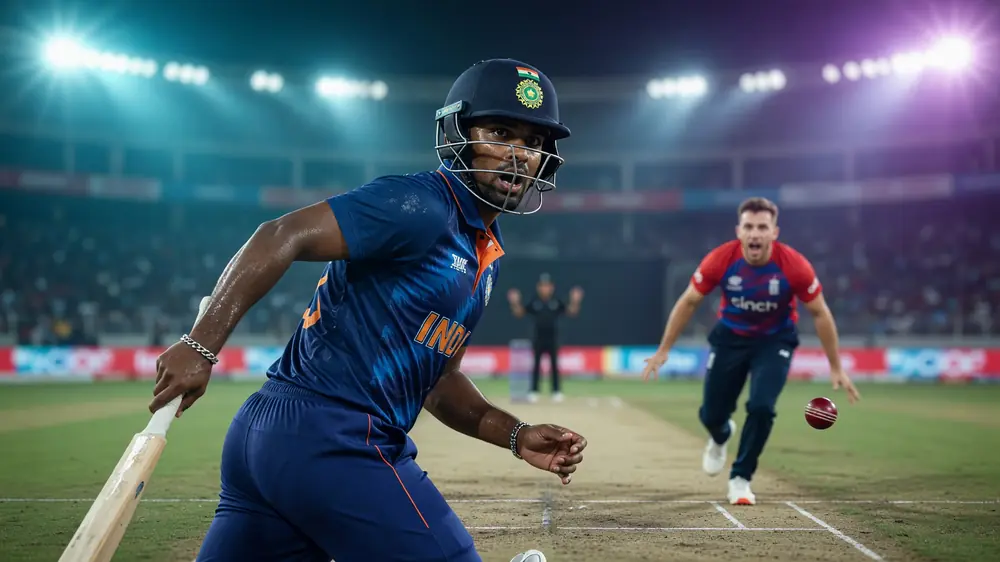
The County Ground pitch report for that fixture described a fast, bouncy surface that favoured pace over spin. Venue averages in the source data sat at 163 batting first and 147 chasing, with twelve prior T20Is split evenly at six wins batting first and six chasing. The highest total on the ground was listed at 234; the highest successful chase at 201; the lowest defended score at 139. Those numbers describe a ground where set batters can score freely once the new ball is negotiated, but where the first spell still carries real wicket threat.
Weather for the evening was forecast at 18–21°C, partly cloudy, with a low rain chance and moderate humidity. That is close to an ideal uninterrupted T20 window by English standards, especially after the washed-out opener earlier in the series. Cooler evening air early in the innings was expected to help the new-ball pair more than the spinners, reinforcing the same pace-first reading already suggested by the surface.
Fantasy translation was straightforward. Credits spent on pure finger-spin needed a strong justification. Credits spent on new-ball swing, hard lengths and top-order batters who handle bounce had a cleaner evidence trail. Powerplay overs were expected to decide more of the match shape than the middle-overs squeeze that dominates on slower Asian decks.
Playing XI watch from the preview window
Preview XI lists are always provisional until the toss card is confirmed, and the 9 July notes treated both sides as likely to make only minor tweaks from the previous match. The England shape in that window ran through Phil Salt and Jos Buttler at the top, Harry Brook as captain in the middle, with Jacob Bethell and Tom Banton in the batting group. The bowling spine remained pace-led after Nottingham.
India’s listed shape kept Abhishek Sharma and Vaibhav Sooryavanshi as the opening pair, Ishan Kishan with the gloves, Shreyas Iyer as captain, Tilak Varma in the middle, Axar Patel as the spin all-rounder, and a pace group including Harshit Rana, Prince Yadav and Arshdeep Singh, with Varun Chakravarthy as the mystery option. That combination still offered India left-arm swing and a change-up spinner, but it had to answer the basic Nottingham problem: surviving England’s first six overs with enough wickets to use the short Bristol boundaries later.
England core (preview window)
- Phil Salt
- Jos Buttler (wk)
- Jacob Bethell
- Harry Brook (c)
- Tom Banton
- Pace attack led by Jofra Archer & Josh Tongue
India core (preview window)
- Abhishek Sharma
- Vaibhav Sooryavanshi
- Ishan Kishan (wk)
- Shreyas Iyer (c)
- Tilak Varma
- Axar Patel · Arshdeep Singh · Varun Chakravarthy
Fantasy board: who carried the points case
Salt was the cleanest England batting priority after his 70 in the previous match and Bristol’s short boundaries. Brook, as captain and middle-order accelerator, carried both leadership responsibility and a proven ability to seize pressure overs. Archer remained the premier bowling upside after dismantling India’s top order in Nottingham, while Tongue’s four-wicket series lead made him the quieter high-floor quick rather than a pure dart throw.
On the India side, Abhishek’s series-leading 112 runs at a strike rate above 200 kept him as the primary counter-punch. If India were going to flip the night, it almost certainly started with his first ten balls against the new ball. Iyer’s hundred-plus series aggregate and captain’s role made him the anchor profile — lower ceiling than Abhishek in pure strike-rate terms, higher floor if India needed a rebuild. Arshdeep, as India’s leading series wicket-taker with three, was the new-ball answer India needed if England’s openers again tried to set a 180-plus base.
A balanced fantasy construction from that board mixed England’s in-form top order with one or two India ceiling pieces and at least two strike bowlers who operate with the new ball or at the death. Pure India stacks were a GPP-only look after Nottingham. Pure England stacks were safer in small-field contests but vulnerable to a single Abhishek explosion on a ground that rewards clean ball-striking once set.
Series arithmetic that framed every decision
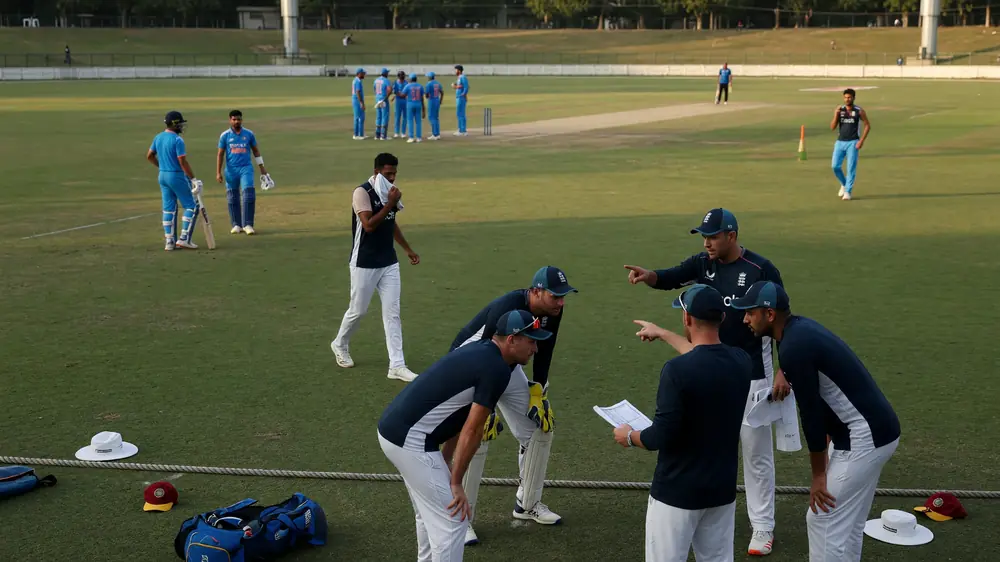
Strip the colour away and the series math on 9 July was blunt:
- England win: series sealed with one match unused.
- India win: series forced to a fifth-match decider.
- England already led 2-0 after a no-result opener and two completed wins.
- India’s previous completed match had ended at 76 all out, a 125-run defeat.
That arithmetic is why the Bristol fixture mattered beyond a single fantasy slate. Captains were not only choosing a preferred total; they were managing a series endgame. Brook’s side could afford one controlled session. Iyer’s side needed an early partnership and a bowling plan that did more than contain — it had to take wickets against Salt and Buttler before the short boundaries became irrelevant.
Head-to-head history still offered India a psychological footnote. Across 33 T20Is in the source ledger, India held 18 wins to England’s 14. The most recent completed meetings in the series, however, had all gone England’s way. Momentum and conditions outweighed the career ledger in the price, and fantasy managers who ignored that gap repeated the classic mistake of weighting lifetime records over the last two match nights.
What the Live Desk still takes from Bristol
Three lessons from the 9 July board remain useful whenever England and India meet under lights on a quick English deck. First, a washed-out opener does not soften a 2-0 lead; it hardens it, because the trailing side has already lost a recovery match to weather. Second, a collapse as severe as 76 all out does not automatically create bounce-back value in fantasy — it often concentrates points in the bowling side that caused it until the batting unit shows a concrete repair. Third, venue averages near 163 and 147 with a pace-favourable surface should push team construction toward openers and quicks before any romantic spin differential.
The odds snapshot — England near 1.85, India near 1.95, a 58–42 published split — also remains a clean teaching example of a tight favourite market. England were deserved chalk after Nottingham, yet India retained enough price and batting ceiling that blanking Abhishek and Iyer entirely was a separate decision from picking a match winner. Fantasy and match-winner markets answered different questions that night, and the Live Desk still separates them for that reason.
As a historical marker inside the India Tour of England 2026, Bristol sits between the Nottingham low point for India and whatever the fifth T20I eventually became. For readers reconstructing the series later, the factual ceiling is simple and fixed: 9 July 2026, County Ground, 10:00 PM IST start, England leading 2-0, pace-first pitch, low rain risk, and a fantasy board built around Salt, Archer, Tongue, Abhishek and Iyer.
Quick reference from the original board
Frequently asked questions
When was the England vs India 4th T20I played?
The fourth T20I of the India Tour of England 2026 was scheduled for 9 July 2026 at 10:00 PM IST at the County Ground, Bristol. This retrospective uses that original match night as its factual anchor.
What was the series score before Bristol?
England led the five-match series 2-0. The first T20I was washed out with no result, and England won the second and third matches, including a 125-run win in Nottingham after bowling India out for 76.
What match-winner odds were published for the 4th T20I?
Major platforms in the original preview window listed England around 1.85 and India around 1.95, with published win probabilities near 58 percent for England and 42 percent for India. Those figures are historical reference values from 9 July 2026, not current prices.
Which players defined the fantasy board that night?
England’s board centred on Phil Salt (70 in the previous match), Harry Brook as captain, plus Jofra Archer and Josh Tongue with the ball — Tongue led the series wicket chart with four. India’s board centred on Abhishek Sharma (112 series runs at a strike rate above 200), captain Shreyas Iyer (100-plus series runs) and Arshdeep Singh as the leading Indian wicket-taker with three.
How did the Bristol pitch read for fantasy teams?
The surface was described as fast and bouncy, favouring pace over spin. Venue averages sat near 163 batting first and 147 chasing. Combined with an 18–21°C partly cloudy forecast and low rain chance, the practical fantasy lean was toward new-ball quicks and top-order batters rather than long spin holds.
Where was the match broadcast?
Live streaming was listed on JioHotstar and television broadcast on Sony Sports Network for the 9 July 2026 fixture.
Bristol on 9 July 2026 remains a clean case study in how a washed-out opener, a 125-run thrashing and a pace-friendly county deck can freeze a series narrative before the fourth match even begins. The odds said England were favourites; the fantasy board still needed India’s ceiling names handled with care. That tension — chalk control versus underdog strike rate — is the piece worth keeping from the night.